Health & Nutrition
Chocolate often sits at the crossroads of indulgence and guilt, yet this perception overlooks a fundamental truth: when approached with knowledge and intention, chocolate can be both a source of pleasure and a contributor to nutritional wellness. The key lies not in elimination, but in understanding the complex relationship between cocoa’s inherent properties, preparation methods, and how we integrate these treats into our overall eating patterns.
This comprehensive exploration examines the multifaceted world of chocolate from a health and nutrition perspective. From decoding the nutritional profile of cocoa components to mastering plant-based dessert techniques, from harnessing the power of flavonoids to developing sustainable strategies for sugar reduction, we’ll navigate the science and practice that transform chocolate from guilty pleasure to mindful nourishment. Whether you’re looking to create healthier desserts, maximize the benefits of dark chocolate, or simply build a more balanced relationship with sweet foods, understanding these foundational principles empowers you to make informed choices that honor both wellness and enjoyment.
Understanding Chocolate’s Nutritional Complexity
The nutritional story of chocolate extends far beyond its calorie count or sugar content. At its core, chocolate’s health potential resides primarily in the non-fat cocoa solids—the components that remain after cocoa butter is removed. These solids contain an impressive array of beneficial compounds, including minerals like magnesium, iron, and zinc, alongside the polyphenols that give dark chocolate its reputation as a functional food.
The Power of Non-Fat Cocoa Components
Understanding fiber content in cocoa products reveals a surprising dimension often overlooked. Pure cocoa powder contains approximately 2-3 grams of fiber per tablespoon, contributing to digestive health and satiety. This fiber comes packaged with theobromine, a mild stimulant that provides chocolate’s characteristic mood-lifting effect without the intensity of caffeine. When selecting chocolate products, the percentage of cocoa solids directly correlates with these beneficial components—a 70% dark chocolate contains significantly more non-fat cocoa solids than a 40% milk chocolate, translating to higher fiber, mineral, and polyphenol content.
Navigating Powder Types and Quality Concerns
Not all cocoa powders are created equal. Dutch-processed cocoa undergoes alkalization, which mellows acidity and darkens color but significantly reduces flavonoid content—sometimes by up to 60%. Natural cocoa powder preserves more antioxidants but carries a sharper, more acidic taste. For baking with solids while maximizing nutritional benefits, natural cocoa powder offers superior health properties, though Dutch-processed varieties may better suit certain recipes requiring neutral pH.
A concerning consideration involves the risks of heavy metals, particularly cadmium and lead, which can accumulate in cocoa beans depending on soil conditions and processing. Choosing products from reputable manufacturers who test for contaminants, and varying your chocolate sources geographically, helps minimize exposure. Optimizing daily intake means balancing enjoyment with moderation—most nutritionists suggest that 20-30 grams of high-quality dark chocolate (70% or higher) provides health benefits without excessive calories or potential contaminant exposure.
Mastering Plant-Based Chocolate Desserts
Creating plant-based chocolate desserts that truly compete with dairy versions requires understanding both the functional roles of traditional ingredients and the properties of their plant-based alternatives. The challenge isn’t merely substitution—it’s about achieving the creamy mouthfeel, structural integrity, and rich flavor that make chocolate desserts irresistible.
Key Ingredients for Dairy-Free Success
Aquafaba, the liquid from canned chickpeas, has revolutionized plant-based baking with its remarkable ability to mimic egg whites. When whipped, it creates stable foams perfect for chocolate mousse, meringues, and light cake textures. For binding purposes, flax eggs (ground flaxseed mixed with water) or chia eggs provide structure in brownies and cookies, though each brings distinct textural qualities—flax offers a denser, fudgier result, while chia creates slight chewiness.
Comparing plant milks reveals important functional differences beyond flavor. Coconut milk’s high fat content makes it ideal for ganaches and creamy fillings, though it carries coconut flavor risks that can overwhelm delicate chocolate notes. Oat milk provides neutral flavor and moderate creaminess, working beautifully in chocolate cakes and puddings. Almond milk, being thinner, suits recipes where you want chocolate flavor to dominate without added richness. Cashew milk, especially when made from raw cashews, delivers exceptional creaminess without competing flavors, making it the premium choice for plant-based chocolate pastry cream.
Techniques for Creamy, Rich Textures
The technique for achieving creamy texture in dairy-free chocolate desserts often centers on fat emulsion. Blending soaked cashews with cocoa powder and a touch of coconut oil creates a remarkably smooth base for truffles and frostings. Adding a small amount of plant-based lecithin (from sunflower or soy) improves emulsion stability, preventing the grainy separation that plagues some dairy-free chocolate preparations.
Optimizing binding in plant-based baking requires attention to moisture ratios. Plant-based ingredients often release water differently than dairy products during baking. Recipes may need slight flour adjustments or the addition of starches like arrowroot or tapioca to achieve proper structure. The key is patience—allowing batters to rest for 10-15 minutes before baking lets plant-based binders fully hydrate, resulting in better texture and structural integrity.
Maximizing Chocolate’s Health Potential
Dark chocolate’s reputation as a health food rests largely on its flavonoid content—plant compounds with powerful antioxidant and anti-inflammatory properties. However, harvesting these benefits requires strategic choices about which products you consume and how you pair them with other foods.
The Science of Flavonoids and Antioxidants
Cocoa flavonoids, particularly epicatechin and catechin, have been linked to improved cardiovascular function, better insulin sensitivity, and enhanced cognitive performance. These compounds work by promoting nitric oxide production in blood vessels, improving circulation and reducing blood pressure. The catch? Heat, alkalization, and processing degrade these delicate molecules. Raw cacao powder contains the highest concentrations, while heavily processed chocolate products may retain only a fraction of the original flavonoid content.
Understanding synergy effects can amplify chocolate’s benefits. Pairing dark chocolate with foods rich in vitamin C (like strawberries or oranges) enhances iron absorption from cocoa. Combining chocolate with healthy fats from nuts improves the bioavailability of fat-soluble antioxidants. Conversely, consuming chocolate with dairy may reduce flavonoid absorption, though research remains mixed on this point. Timing errors to avoid include eating chocolate on a completely empty stomach, which can cause rapid blood sugar spikes, or immediately before bed, as theobromine may interfere with sleep in sensitive individuals.
Smart Label Reading and Sweetener Choices
The technique for label reading on chocolate products requires looking beyond the cocoa percentage. Examine the ingredient list’s order—cocoa or cocoa mass should appear first, not sugar. Check for unnecessary additives like artificial flavors or excessive emulsifiers. The type of sweetener matters significantly: conventional sugar provides quick energy but rapid blood glucose spikes, while coconut sugar offers a lower glycemic index and trace minerals. Stevia or monk fruit sweeteners eliminate caloric impact but may introduce slight aftertaste that some find objectionable.
When comparing sweeteners for chocolate applications, consider not just health metrics but also functional properties. Sugar contributes to texture and moisture retention in baked goods—replacing it entirely with non-caloric sweeteners often requires recipe reformulation. A middle-ground approach uses reduced sugar combined with natural sweetness enhancers like vanilla, cinnamon, or a pinch of salt, which amplifies perceived sweetness without additional calories.
Building a Balanced Relationship with Chocolate
Integrating chocolate into a holistic diet plan requires moving beyond rigid rules toward a more nuanced understanding of how indulgent foods fit within overall nutritional wellness. The psychology of restriction teaches us that labeling foods as « forbidden » often increases their psychological power, leading to cycles of deprivation and overindulgence.
Mindful Eating Practices for Indulgent Foods
The physiology of satiety involves complex interactions between taste receptors, hormonal signals, and psychological satisfaction. Chocolate, with its unique combination of fat, sugar, and bioactive compounds, triggers multiple pleasure pathways simultaneously. The technique for savoring leverages this by slowing consumption—allowing chocolate to melt on your tongue rather than chewing immediately activates more taste receptors and prolongs enjoyment, creating greater satisfaction from smaller portions.
Comparing packaging formats reveals that individually wrapped portions or pre-portioned squares reduce mindless overconsumption compared to breaking pieces from large bars. Optimizing plate visuals applies the principle that presentation affects satisfaction—arranging a small portion of chocolate dessert on a beautiful plate, perhaps with fresh berries, creates a sense of abundance and ceremony that enhances the eating experience. Distraction errors, such as eating chocolate while watching television or working, diminish both enjoyment and satiety cues, often leading to consuming more without greater satisfaction.
Strategic Integration into Daily Meals
The methodology for swapping involves identifying where chocolate can replace less nutritious treats rather than adding extra calories. Using a piece of dark chocolate as an afternoon snack instead of a pastry provides antioxidants, minerals, and satisfaction with fewer empty calories. Optimizing breakfast might include adding raw cacao nibs to oatmeal or smoothies, delivering chocolate flavor and nutrition without the sugar load of chocolate chips.
When comparing snack options, consider nutrient density alongside enjoyment. A small serving of dark chocolate with almonds provides protein, healthy fats, fiber, and antioxidants—a substantially different nutritional profile than an equivalent calorie serving of milk chocolate alone. The risk of monotony in any healthy eating approach suggests rotating chocolate with other nutrient-dense treats like fruit, nuts, or yogurt, preventing both palate fatigue and nutritional gaps.
Long-Term Sugar Reduction Strategies
Perhaps the most valuable application of health-conscious chocolate consumption lies in using it as a vehicle for gradual taste adaptation. The science reveals that taste preferences aren’t fixed—regular exposure to less sweet versions of foods recalibrates your palate, making previously « normal » sweetness levels taste cloying over time.
The methodology for stepping down involves gradually increasing the cocoa percentage of your chocolate choices. Start with 60% dark chocolate if you typically eat milk chocolate, spending 2-3 weeks allowing your palate to adjust before moving to 70%, then eventually 85% or higher. Most people find that after several months, returning to their original preference tastes unpleasantly sweet—evidence of successful taste adaptation. This same principle applies to homemade desserts: reducing sugar by 10-15% in recipes often goes unnoticed, and subsequent batches can reduce further.
Comparing withdrawal symptoms between abrupt elimination and gradual reduction shows that stepping down produces minimal discomfort—perhaps mild cravings for 2-3 days—while complete deprivation can trigger headaches, irritability, and intense cravings lasting weeks. Goal setting errors often involve overly ambitious timelines or all-or-nothing thinking. Sustainable change accepts that occasional higher-sugar treats are compatible with overall health, removing the pressure that often leads to abandoning efforts entirely.
Optimizing rewards means celebrating milestones with non-food experiences—a new cookbook, quality baking equipment, or time for a relaxing activity—rather than « cheat meals » that reinforce the idea that high-sugar foods are treats while healthier options are punishment. This psychological reframing proves crucial for long-term success, transforming sugar reduction from deprivation to an act of self-care that expands rather than restricts your relationship with food.
The intersection of health and chocolate need not be a battleground of restriction and guilt. By understanding cocoa’s nutritional complexity, mastering techniques that preserve and enhance beneficial compounds, practicing mindful consumption, and gradually adapting your palate toward less processed options, you create a sustainable approach that honors both wellness and pleasure. These foundational principles provide the framework for exploring specific applications—whether perfecting plant-based recipes, decoding product labels, or implementing personalized strategies that align chocolate consumption with your unique health goals and values.

The ’20-Minute Rule’ That Helps You Stop Eating Sweets at the Right Time
In summary: Your brain needs about 20 minutes to register fullness from fat, which is why you can eat a whole chocolate bar before feeling satisfied. Mindful techniques, like letting one square melt for five minutes, amplify sensory input and…
Lire la suite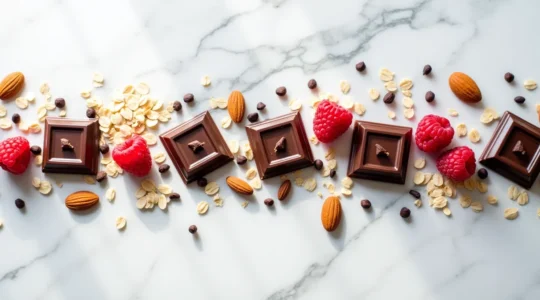
How to Fit Dark Chocolate into a Balanced Meal Plan Without Guilt?
Contrary to popular belief, the key to enjoying chocolate without derailing your diet isn’t stricter rules, but a smarter strategy that works with your brain’s reward system, not against it. Banning treats often backfires, leading to psychological restriction and eventual…
Lire la suite
Dairy vs. Non-Dairy: Which Milk Blocks the Absorption of Cocoa Antioxidants?
Avoiding dairy is only the first step to unlocking chocolate’s health benefits; true optimization lies in understanding and controlling its entire biochemical journey from bean to bar. Alkaline « Dutch » processing can destroy over 89% of cocoa’s beneficial flavanols before the…
Lire la suite
How to Fortify Vegan Chocolate Mousse With Protein—Without Ruining the Taste or Texture
Fortifying vegan mousse with protein isn’t about adding powder; it’s about re-engineering its molecular structure for flawless texture. The secret to a stable, airy base lies in understanding the unique proteins and carbohydrates within aquafaba that allow it to mimic…
Lire la suite
How Does High Cocoa Solids Percentage Affect Your Blood Pressure?
The heart health benefits of cocoa are dictated not just by flavanols, but by the structural and nutritional integrity of its non-fat solid matrix. The non-fat solids provide essential dietary fiber and minerals that influence both health outcomes and cocoa’s…
Lire la suite