Gourmet Trends
The world of gourmet chocolate desserts is experiencing a remarkable transformation, driven by evolving consumer expectations and groundbreaking culinary techniques. Today’s discerning diners seek more than just sweetness—they crave multisensory experiences that balance indulgence with wellness, tradition with innovation, and familiar comfort with adventurous exploration. This evolution has given rise to a fascinating landscape where molecular gastronomy meets ancient techniques, and where the boundaries between savory and sweet continue to blur.
Understanding current gourmet trends in chocolate desserts requires examining multiple dimensions: from health-conscious adaptations and sophisticated flavor pairings to aroma preservation, textural innovation, and cross-cultural fusion. Whether you’re a culinary professional looking to refine your repertoire or a passionate home cook eager to elevate your chocolate creations, mastering these interconnected elements will transform your approach to dessert making and deepen your appreciation for this complex craft.
Health-Conscious Innovation in Modern Pastry
The challenge facing contemporary pastry chefs is no longer whether to accommodate health trends, but how to do so without sacrificing the pleasure that defines exceptional dessert. This delicate balance requires understanding the functional roles of traditional ingredients and identifying substitutions that preserve both taste and texture.
Balancing Wellness with Indulgence
Fat plays a crucial role in creating the mouthfeel and satisfaction that makes chocolate desserts memorable. When reducing fat content or substituting traditional dairy fats, successful approaches focus on replicating that luxurious sensation through alternative techniques. Nut butters, avocado, and coconut cream can provide richness while offering different nutritional profiles. The key is understanding that fat carries flavor compounds and creates the coating sensation on the palate that signals indulgence to our brains.
Portion optimization represents another sophisticated approach to health-conscious dessert design. Rather than simply making smaller versions of traditional desserts, thoughtful chefs reconceptualize the entire eating experience—creating intensely flavored, jewel-like portions that satisfy through concentrated taste rather than volume. This strategy aligns perfectly with the move toward tasting menus and shared plates in modern dining.
Navigating Dietary Adaptations
Vegan and gluten-free chocolate desserts require systematic methodology rather than simple ingredient swapping. For vegan substitution, understanding the role each animal product plays is essential:
- Eggs provide structure, leavening, and emulsification—requiring different substitutes depending on their function in each recipe
- Dairy contributes moisture, fat, and specific flavor notes that plant-based alternatives must replicate collectively
- Gelatin’s unique gelling properties demand carefully selected replacements like agar-agar or carrageenan, each with distinct characteristics
The most common error in gluten-free adaptation is assuming a one-to-one flour replacement will yield identical results. Successful gluten-free chocolate desserts often require blends of alternative flours, additional binding agents, and modified mixing techniques to compensate for gluten’s structural role.
Mastering Flavor Pairings with Chocolate
Combining chocolate with unexpected ingredients transcends mere novelty—it’s about understanding molecular harmony and creating flavor profiles that enhance rather than overwhelm chocolate’s complex character. The science behind successful pairings lies in identifying complementary volatile compounds and balancing intensity levels.
Building Molecular Harmony
Salt demonstrates perhaps the most universally appreciated pairing principle with chocolate. Even a small amount of high-quality sea salt doesn’t make chocolate taste salty—it suppresses bitterness, enhances sweetness perception, and amplifies chocolate’s inherent flavors. This principle extends to more adventurous combinations: spicy elements like chili or black pepper create a warming sensation that heightens chocolate’s complexity without competing with it.
Citrus presents an interesting challenge in chocolate desserts. The key is selecting the right citrus expression:
- Zest provides aromatic oils without acidity that can split chocolate
- Juice requires careful emulsification and often works better in ganaches than in batters
- Candied peel offers concentrated flavor with complementary sweetness and textural contrast
Herbal infusions—from lavender to rosemary to Thai basil—open remarkable possibilities when optimized correctly. The methodology involves gentle heating to extract aromatic compounds without bitterness, then straining thoroughly before incorporating into chocolate preparations.
Common Pairing Pitfalls
Alcohol pairing with chocolate requires understanding both flavor compatibility and technical considerations. The most frequent error is adding alcohol directly to chocolate without accounting for how it affects viscosity and emulsion stability. Spirits work best when incorporated into cream-based ganaches where the fat content helps maintain proper texture, or when used to macerate fruits and nuts that will later be combined with chocolate.
Temperature management becomes critical when working with volatile aromatic ingredients. Excessive heating destroys delicate flavor compounds in herbs, citrus oils, and certain spices. The solution is often reverse engineering the process—infusing the fattest component (cream, butter) at the lowest effective temperature, then combining it with chocolate that has been separately tempered or melted.
Aroma Development and Olfactory Experience
Since flavor perception depends primarily on olfaction rather than taste, developing and preserving volatile aromas in chocolate desserts dramatically impacts the overall experience. Understanding olfactory perception helps explain why the same dessert can taste markedly different depending on how its aromas are released and presented.
Preserving Volatile Compounds
The challenge with chocolate’s most prized aromatic compounds is their volatility—they dissipate easily with heat, time, and exposure to air. Cold enfleurage, a technique borrowed from perfumery, offers a solution for capturing delicate floral and herbal aromas. This method involves allowing fat (traditionally, chocolate butter is ideal) to absorb aromatic compounds from fresh botanicals at room temperature or below, preserving fragile volatile molecules that heat would destroy.
Comparing flavor sources reveals that fresh ingredients don’t always yield superior results in chocolate desserts. Freeze-dried fruits often provide more concentrated flavor and better textural properties than fresh alternatives. High-quality extracts, when used judiciously, can deliver cleaner, more consistent aromatic profiles than whole ingredients that require straining.
Enhancing the Finish
The « finish » in chocolate desserts refers to the lingering flavor and aroma that remains after swallowing. Optimizing this experience involves strategic layering of aromatic elements. A final dusting of cocoa powder, a last-minute grating of tonka bean, or a delicate spray of aromatic alcohol creates that final impression that diners remember long after the meal concludes.
Temperature at service profoundly affects aroma release. Desserts served slightly below room temperature allow chocolate’s aromatic compounds to volatilize gradually as they warm on the palate, creating an evolving sensory experience rather than a static one.
Texture, Mouthfeel, and Sensory Design
The most memorable chocolate desserts engage multiple senses simultaneously, with texture and sound playing surprisingly powerful roles in perceived flavor and satisfaction. Understanding the science of mouthfeel allows chefs to craft experiences that resonate on both conscious and subconscious levels.
The Science of Mouthfeel
Mouthfeel encompasses everything the palate perceives beyond taste—viscosity, temperature, the coating sensation of fats, the cooling effect of sugar alcohols, and the astringency of tannins. In chocolate desserts, achieving ideal mouthfeel requires balancing multiple textural elements:
- Creamy components that coat the palate and carry flavor
- Crisp elements that provide contrast and stimulate different mechanoreceptors
- Chewy textures that extend the eating experience and create satisfying resistance
- Smooth, melting sensations that signal luxury and quality
Creating texture methodically means understanding how different ingredients and techniques contribute to the final mouthfeel. Emulsifiers like lecithin create smoothness, starches provide body, and temperature-controlled crystallization of fats determines whether chocolate melts cleanly or feels waxy.
Visual and Tactile Elements
Gloss finishes on chocolate desserts aren’t merely aesthetic—they signal quality and proper tempering to experienced diners. Comparing different finishes reveals that mirror glazes suggest modernity, matte cocoa dustings evoke rusticity, and classic glossy chocolate speaks to technical mastery. Each creates different expectations before the first bite.
The common error in thickness is assuming that richer always means better. Overly thick chocolate elements can overwhelm the palate and mask subtle flavors, while excessively delicate components may fail to register as substantial. The solution lies in varying thickness strategically within a single dessert—perhaps a thin, crisp chocolate tuile against a dense truffle center.
Even serving tools influence the experience. The weight of a spoon, the temperature of a plate, and the sound of a crisp element breaking all contribute to satisfaction. Research consistently shows that heavier cutlery enhances perceived quality, while audible crispness signals freshness and proper execution.
Contemporary Trends in High-End Chocolate Desserts
Analyzing modern trends in luxury chocolate desserts reveals patterns that reflect broader cultural shifts in dining, social media, and wellness consciousness. Understanding trend cycles helps distinguish between fleeting fads and meaningful innovations worth incorporating into your repertoire.
Understanding Trend Cycles
Trend cycles in gourmet desserts typically follow a predictable pattern: emergence in high-end restaurants, adaptation by specialty bakeries, popularization through social media, and eventual mainstream adoption or abandonment. Currently, molecular textures—foams, gels, spherifications—have completed this cycle in many markets, moving from novelty to expected technique in fine dining contexts.
The sweet versus savory limits continue to expand, with contemporary chefs confidently incorporating ingredients once considered exclusively savory: miso, soy sauce, olive oil, and black garlic now appear regularly in chocolate desserts. The key is maintaining chocolate as the central voice while these elements play supporting roles that enhance complexity.
The Instagram Factor
Optimizing « Instagrammability » has become a legitimate consideration in dessert design, though not without controversy. The most successful approach balances visual drama with substantive flavor and avoids the common error of imitation—creating photogenic elements that exist purely for appearance without contributing to the eating experience.
Effective Instagram-worthy desserts typically feature strong geometric shapes, contrasting colors (especially gold against dark chocolate), interactive elements that reveal hidden components, or dramatic tableside preparation. The sophistication lies in ensuring these visual elements emerge naturally from the dessert’s concept rather than being artificially imposed.
Savory-Sweet Integration and Umami
Pushing the boundaries of savory and sweet integration represents one of the most exciting frontiers in contemporary chocolate desserts. This trend reflects a more sophisticated understanding of flavor perception and a willingness to challenge traditional dessert conventions.
The Role of Umami in Dessert
The science of umami in dessert contexts reveals that this « fifth taste » provides depth and complexity that makes flavors more satisfying and memorable. Ingredients rich in glutamates—aged cheeses, mushrooms, tomatoes, and fermented products—can enhance chocolate desserts when used with restraint and clear intention.
Comparing salt types for savory-sweet applications shows that not all salts function identically. Flaky sea salt provides textural contrast and bursts of salinity, while finely ground sel gris distributes more evenly for subtle enhancement. Smoked salts add another dimension entirely, introducing campfire nostalgia and savory depth.
Balancing Techniques
The technique for balancing savory elements in chocolate desserts requires constant calibration. Start with amounts that seem almost imperceptible, then increase gradually until the savory note registers as complexity rather than confusion. The goal is creating flavor that’s intriguing without being immediately identifiable—diners should wonder what makes the dessert so compelling, not taste olive oil and chocolate as separate entities.
Common pairing errors to avoid include overwhelming chocolate’s nuance with aggressive savory ingredients, failing to consider textural compatibility, and neglecting the importance of temperature. A blue cheese ganache, for example, works when the cheese is finely emulsified and balanced with sweeter chocolate, but fails when cheese chunks create jarring textural and temperature contrasts.
Optimizing menu descriptions for savory-sweet desserts requires transparency about unexpected ingredients while maintaining appeal. Rather than hiding the savory elements, successful descriptions frame them as sophisticated enhancements: « dark chocolate ganache enriched with aged Parmigiano-Reggiano » sounds more compelling than simply « chocolate ganache » and prepares diners for the experience.
Global Fusion and Cross-Cultural Innovation
Fusing global textures and techniques with chocolate opens remarkable creative possibilities while honoring diverse culinary traditions. This approach requires understanding global palates, respecting ingredient origins, and thoughtfully adapting techniques across cultural contexts.
The methodology for incorporating matcha into chocolate desserts exemplifies successful cross-cultural fusion. Rather than simply mixing green tea powder into ganache, sophisticated applications consider quality grades of matcha (ceremonial versus culinary), proper sifting to prevent lumps, and balancing matcha’s vegetal bitterness against chocolate’s own bitter notes. The result should showcase both ingredients rather than having one dominate.
Comparing spice blends from different traditions—Moroccan ras el hanout, Indian garam masala, Chinese five-spice—reveals distinct flavor architectures that interact differently with chocolate. Warm spices like cinnamon and cardamom create familiar comfort, while more assertive elements like fenugreek or star anise demand careful dosing and often benefit from bloom in fat before incorporation.
Ingredient sourcing risks become particularly relevant in global fusion work. Authentic ingredients matter tremendously—real vanilla from Madagascar or Tahiti tastes markedly different from artificial vanilla, and Mexican cinnamon (Ceylon) offers delicate sweetness that Indonesian cinnamon (cassia) cannot replicate. When authentic ingredients are unavailable, transparency is preferable to approximation.
Optimizing texture fusion means recognizing that different cultures value different textural qualities. Asian desserts often prize chewy, gelatinous textures that can seem unfamiliar in Western contexts, while European traditions emphasize airy mousses and crisp layers. Successful fusion finds common ground—perhaps a black sesame panna cotta with chocolate soil that bridges Italian technique and Japanese flavor with textural accessibility.
As gourmet chocolate desserts continue to evolve, these interconnected trends reveal a broader shift toward thoughtful innovation that honors tradition while embracing experimentation. By understanding the science behind flavor pairings, mastering technical fundamentals, and remaining open to cross-cultural inspiration, you can create chocolate desserts that are both contemporary and timeless, indulgent and mindful, familiar and surprising.
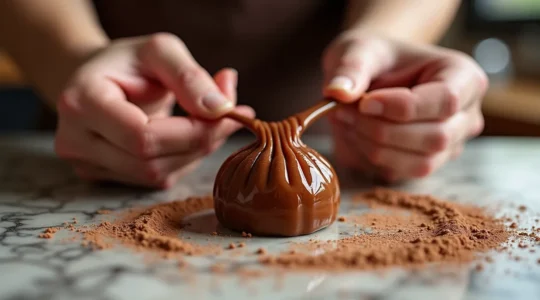
How to Integrate Japanese Mochi Texture into Western Chocolate Desserts?
Successfully adding mochi texture to chocolate isn’t about recipes; it’s about mastering the science of textural engineering. Flavor balance relies on understanding cultural preferences for sweetness and the chemical properties of ingredients like matcha and yuzu. Textural success depends on…
Lire la suite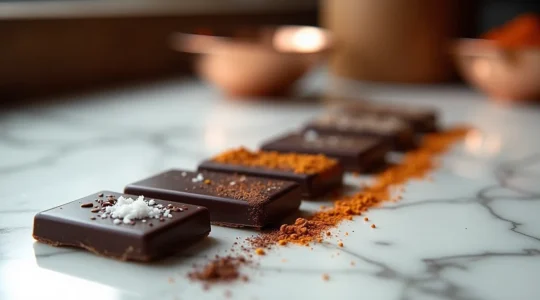
Miso and Caramel: Why Are Savory Notes Taking Over Sweet Menus?
The rise of savory ingredients in desserts isn’t just a trend for adventurous eaters; it’s a calculated culinary science. Successful pairings are based on shared molecular compounds (like pyrazines) that create « flavor bridges » between seemingly disparate ingredients. Key components like…
Lire la suite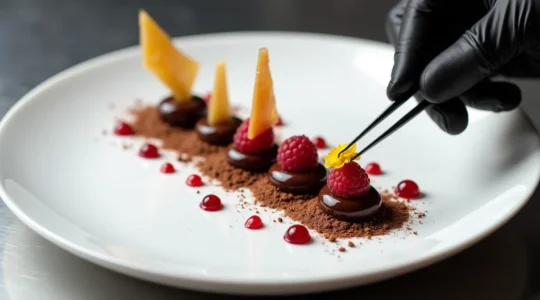
Deconstructed Desserts: Genius Innovation or Lazy Plating in Modern Dining?
Contrary to popular belief, the value of a deconstructed dessert isn’t in its Instagrammable chaos, but in its success as a ‘culinary interrogation’ of a classic. Truly innovative deconstruction isolates and amplifies the core textures and flavors of a dish,…
Lire la suite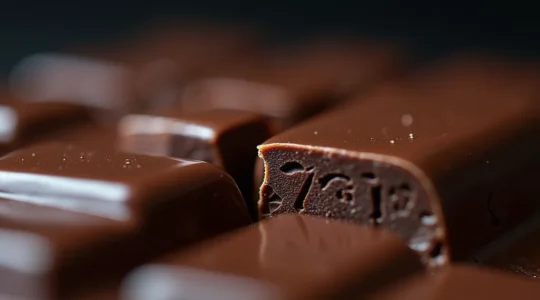
Why Does the ‘Snap’ Sound of Chocolate Make It Taste Better?
The satisfying ‘snap’ of a chocolate bar is not merely a sign of quality; it’s an auditory trigger that actively manipulates your brain’s perception of its taste. Sound and texture are not separate from flavor; they are integral components of…
Lire la suite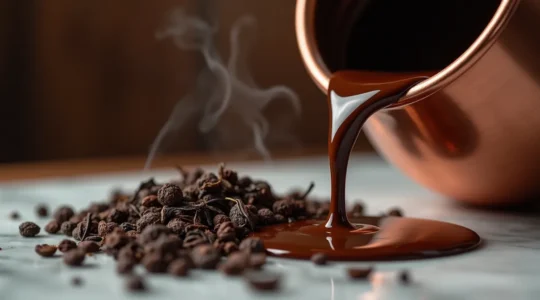
How to Infuse Earl Grey Tea into Chocolate Without Bitter Tannins?
In summary: Success lies in managing temperature and technique to control volatile compounds, not just following a recipe. Cold infusion is the superior method for delicate teas like Earl Grey, as it selectively extracts aroma while leaving bitter tannins behind….
Lire la suite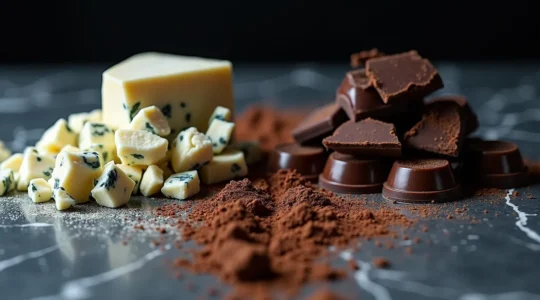
Blue Cheese and Dark Chocolate: Why Does This Bizarre Pairing Work?
The most shocking food pairings are not accidents of taste but the result of shared chemical blueprints between ingredients. Ingredients that seem opposite, like salty cheese and sweet chocolate, often contain the same aromatic compounds, creating a natural flavor bridge….
Lire la suite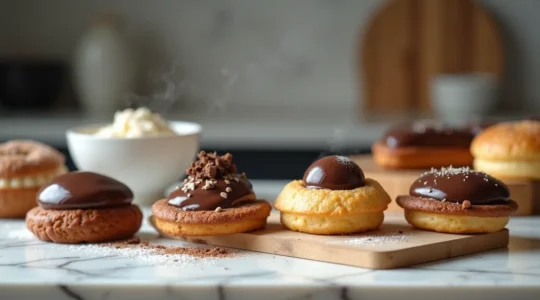
How to Reduce Sugar in Chocolate Pastry Without Losing Texture?
Successfully reducing sugar in chocolate pastry requires re-engineering the recipe’s entire structural matrix, not just swapping ingredients. Sugar provides more than sweetness; it’s a crucial bulking agent that manages moisture and creates tenderness. Alternative flours like oat flour, specific fats,…
Lire la suite