Desserts & Treats
Creating exceptional desserts requires more than following a recipe—it demands understanding the science behind each technique, the chemistry of your ingredients, and the precise methods that separate mediocre treats from memorable ones. Whether you’re attempting your first batch of chocolate chip cookies or perfecting the delicate structure of choux pastry, the principles remain constant: control your variables, respect your ingredients, and learn from each attempt.
The world of desserts and treats encompasses an extraordinary range of techniques, from the precise temperature control needed for chocolate work to the careful balance of moisture and structure in custards. This foundation will help you navigate the most important concepts in dessert making, understand why certain methods matter, and give you the confidence to troubleshoot when things don’t go as planned. Let’s explore the essential knowledge that transforms home bakers into skilled dessert makers.
The Science Behind Sweet Success
Every dessert is essentially a controlled chemical reaction. When you understand what’s happening at the molecular level, you gain the power to adjust, adapt, and perfect your results. The interaction between heat, moisture, proteins, and sugars determines whether your dessert achieves the texture you’re aiming for.
Consider the role of sugar beyond sweetness—it acts as a tenderizer, a moisture retainer, and a browning agent. In cookies, sugar determines spread and crispness. In custards, it raises the temperature at which eggs coagulate, giving you a wider window to achieve smoothness without curdling. The type of sugar you choose matters too: granulated sugar creates different textures than brown sugar, which adds moisture and chewiness due to its molasses content.
Fat sources similarly impact your final product in profound ways. Butter contributes flavor and creates a tender crumb through a process called “shortening,” where fat coats flour proteins and prevents gluten development. Oil produces moister cakes because it remains liquid at room temperature. The choice between these fat sources isn’t about better or worse—it’s about understanding which properties you need for your specific dessert.
Chocolate Desserts: From Texture to Temperature
Chocolate-based desserts present unique challenges because chocolate is highly temperature-sensitive and structurally complex. The difference between fudgy brownies and cakey brownies often comes down to a single variable: the ratio of fat to flour, or the extent of mixing that develops gluten.
Achieving the Perfect Texture
Texture in chocolate desserts depends on three primary factors: ingredient ratios, mixing method, and baking time. A brownie recipe with more butter and eggs relative to flour will produce a denser, fudgier result. The moment you stop mixing matters too—overmixing develops gluten, creating a tougher, more cake-like structure. Many bakers achieve their ideal texture through strategic underbaking, removing desserts from the oven when the center still appears slightly underdone, allowing carryover heat to finish the cooking process.
Working With Chocolate Inclusions
Maintaining the integrity of chocolate chips or chunks in baked goods requires understanding density differences. Chocolate pieces naturally want to sink in batter, especially in thin or liquid batters. Professional bakers use several techniques to prevent this:
- Coating chocolate pieces in flour before folding them in creates friction that suspends them in the batter
- Choosing larger chocolate chunks rather than small chips reduces sinking due to better surface-area-to-weight ratio
- Chilling the batter briefly before baking thickens it, providing better support for inclusions
- Distributing chocolate throughout different layers rather than mixing it all at once ensures even distribution
Temperature Control Essentials
Baking temperature errors cause more chocolate dessert failures than almost any other factor. Too high, and you develop a crusty exterior while the interior remains underbaked. Too low, and you create a dry, crumbly texture as moisture evaporates slowly. Most chocolate desserts benefit from moderate temperatures (325-350°F) that allow even heat penetration, though brownies and some cookies perform better at higher temperatures for specific textural effects.
Custards, Creams, and Smooth Fillings
The silky smoothness of a perfect custard filling represents one of baking’s most satisfying achievements—and one of its most technically demanding. Success requires understanding the delicate balance between thickening and curdling.
Starch Gelatinization and Thickening
When you heat a custard mixture containing starch, the starch granules absorb liquid and swell in a process called gelatinization. This typically occurs between 180-185°F. Different thickeners behave differently: cornstarch creates a glossy, somewhat translucent filling; flour produces a more opaque, matte finish; tapioca starch offers exceptional clarity and remains stable through freezing and thawing cycles. The choice depends on your desired final appearance and storage needs.
Tempering Eggs Without Scrambling
The most critical technique in custard-making is tempering—gradually raising the temperature of eggs to prevent them from scrambling when added to hot liquid. The methodology is simple but requires patience:
- Whisk your eggs thoroughly in a separate bowl to break up the proteins
- Add a small amount (about ¼ cup) of the hot liquid while whisking constantly
- Repeat this addition 2-3 times, slowly raising the egg temperature
- Pour the warmed egg mixture back into the main pot while whisking continuously
- Heat gently, stirring constantly, until the mixture reaches the proper consistency
Achieving Silky-Smooth Textures
Even with perfect tempering, custards can develop a skin during cooling or suffer from graininess. Preventing surface skin requires pressing plastic wrap directly onto the custard surface, eliminating air contact. Optimizing infusion time for flavors like vanilla or citrus zest affects more than taste—over-steeping can extract bitter compounds that impact mouthfeel. Strain your finished custard through a fine-mesh sieve to remove any small bits of cooked egg and ensure ultimate smoothness.
Mastering Pastry Structures and Techniques
Pastry work demands precision and an understanding of how structure develops—or in the case of tender pastries, how to prevent it from developing too much.
The Science of Choux Pastry
Choux pastry, the foundation for éclairs and cream puffs, achieves its characteristic hollow structure through steam power. When the high moisture content in choux paste hits oven heat, it rapidly converts to steam, inflating the dough from within. The eggs in the mixture set into a stable structure that holds this inflated shape. Success requires a strong flour with adequate protein content (bread flour or all-purpose works well), sufficient initial cooking of the paste on the stovetop to gelatinize the starch, and most critically, avoiding the temptation to open the oven door during the first 25 minutes of baking—doing so releases steam and causes collapse.
Perfecting Crusts and Bases
Whether you’re making a tart crust or a cheesecake base, understanding crust chemistry prevents common problems like shrinkage, sogginess, or excessive hardness. The physics of cracking in heavy baked custards like cheesecake often relates to the crust-filling interface: a too-hard crust doesn’t flex with the filling as it contracts during cooling, causing cracks. Using a water bath for custard-based desserts moderates temperature and adds environmental moisture, reducing crack formation.
Piping and Shaping Methods
Proper piping technique affects more than appearance—it influences baking evenness and final texture. Consistent sizing ensures uniform baking, preventing some pieces from overbaking while others remain underdone. When piping choux paste, maintaining steady pressure and pulling upward sharply prevents tails that burn during baking. Filling ratios in assembled pastries should balance structural integrity with generosity—too much filling causes collapse or squeezing out during handling.
Common Baking Errors and How to Avoid Them
Even experienced bakers make mistakes, but understanding the most common errors helps you troubleshoot effectively and adjust future attempts.
Temperature and timing errors top the list of dessert failures. Baking time mistakes often stem from not understanding that every oven has hot spots and temperature variations. Invest in an oven thermometer to verify actual temperature versus the dial setting—differences of 25°F or more are common. Cooling errors cause equal frustration: removing cookies from the baking sheet too quickly leads to breaking, while leaving them too long continues the cooking process, creating overly crisp results.
Mixing errors typically involve overworking doughs and batters. When you mix flour with liquid, gluten proteins begin developing structure. This is desirable in bread, problematic in tender cakes and cookies. Mix only until ingredients are just combined, and consider the order of additions—creaming butter and sugar thoroughly before adding other ingredients incorporates air and creates tenderness.
Storage and serving mistakes can undermine hours of careful work. Optimizing serving temperature makes an enormous difference in flavor perception and texture—slightly warm cookies taste more buttery, while chilled chocolate desserts can dull flavor notes. Understanding shelf life for different treats prevents waste and ensures food safety, particularly for items containing dairy or eggs.
The Craft of Small Confections
Small confectionery items—from truffles to shortbread cookies—require special attention to consistency, presentation, and preservation. The business and craft aspects intersect here, as these treats often serve as gifts or small-scale commercial ventures.
Methodology for batching ensures consistency across multiple productions. Weighing ingredients rather than using volume measurements eliminates variables. When making repeatable recipes, document everything: oven temperature, exact timing, even weather conditions if you’re working with temperamental ingredients like chocolate or meringue.
Labeling and packaging decisions affect both presentation and shelf life. Comparing packaging options reveals that airtight containers extend freshness significantly, while packaging that allows some air exchange works better for items that should remain crisp. Seasonal sales opportunities multiply during holidays, but require advance planning for production capacity and ingredient sourcing.
Understanding proper storage conditions for each type of confection prevents texture degradation. Items with high sugar content resist microbial growth but may crystallize or become sticky in humid conditions. Chocolate-covered treats require cool, dry storage to prevent bloom—that whitish coating that forms when cocoa butter separates.
The journey to mastering desserts and treats is continuous, built on understanding fundamental principles while developing the intuition that comes from repeated practice. Each technique you refine, each failure you learn from, and each scientific principle you grasp adds to your capability as a baker. Start with the foundations, be patient with yourself, and remember that even the most accomplished pastry chefs once struggled with tempering eggs and preventing cracks in their cheesecakes.
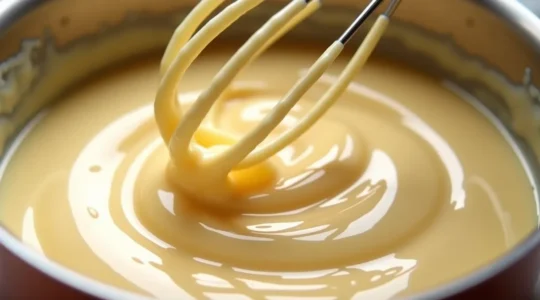
How to Thicken Pastry Cream Without It Turning Rubbery After Cooling?
The primary cause of rubbery pastry cream is starch retrogradation, a process triggered by improper cooking and cooling, not simply the amount of thickener used. Complete starch gelatinization requires boiling the cream for at least one full minute to create…
Read more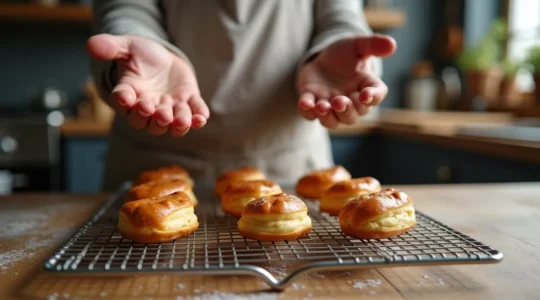
The Structural Engineer’s Guide: Why Your Éclairs Deflate and How to Build a Perfect Shell
In summary: Deflated éclairs are a structural failure, not a flavor one. The goal is to build a self-supporting shell. Drying the dough on the stove (creating the ‘panade’) is crucial for starch gelatinization, which traps the steam needed for…
Read more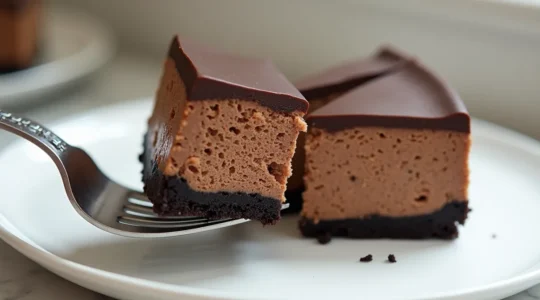
Bake a Flawless Chocolate Cheesecake: The No-Water-Bath Method to Eliminate Cracks
The secret to a perfect, crack-free cheesecake isn’t the water bath; it’s understanding its structural engineering. Cracks are caused by thermal shock and improper protein structure, not a lack of steam. Mastering ingredient temperature, mixing technique, and a controlled cooling…
Read more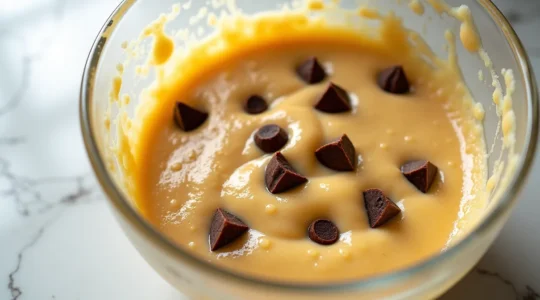
The Physics of Perfect Muffins: How to Keep Chocolate Chunks From Sinking
Sinking chocolate chips are a physics problem, not a baking failure; the solution lies in controlling batter viscosity until the cake’s structure sets. Coat chunks in flour to increase surface friction and grip within the batter. Use colder ingredients and…
Read more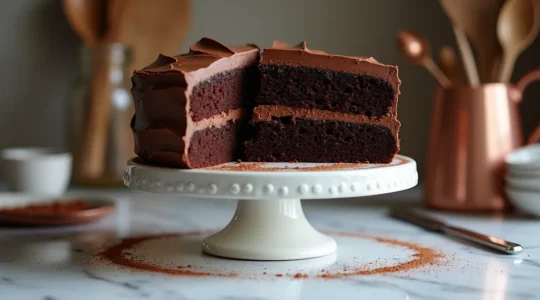
How to Keep Chocolate Cakes Fudgy for 3 Days Without Drying Out?
The secret to a long-lasting fudgy cake isn’t a single ingredient, but a controlled scientific process from mixing bowl to storage. Moisture is actively managed by selecting hygroscopic ingredients (like brown sugar) and fats (in almond flour) that bind to…
Read more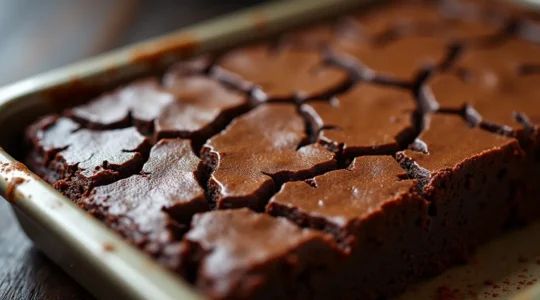
How to Achieve the Perfect Crackly Top on Brownies Every Time?
Contrary to popular belief, the coveted crackly top on a brownie isn’t a baking ‘trick’ but a direct result of creating a paper-thin meringue layer on the surface. It’s achieved by dissolving sugar in hot fat and egg whites, allowing…
Read more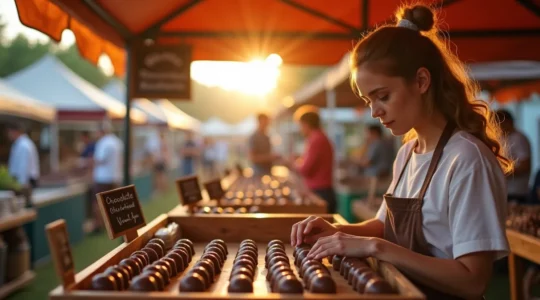
How to Price Your Homemade Chocolates for Profit at Local Markets?
In summary: Stop using a simple cost-plus formula; your price should reflect the perceived value you engineer. Link your pricing directly to shelf life: price fresh, perishable items as premium specials and stable items for bulk/gift sales. Use packaging as…
Read more