Blog
The world of fine chocolate and dessert creation represents one of the most rewarding intersections of craft, science, and artistry in modern cuisine. Whether you’re a home enthusiast exploring single-origin chocolate bars or a professional pastry chef designing memorable dessert experiences, understanding the journey from cocoa bean to finished plate opens up extraordinary possibilities for creativity and appreciation.
This comprehensive exploration covers the essential pillars of chocolate and dessert mastery: sourcing quality ingredients with distinct terroir characteristics, developing sensory evaluation skills, creating compelling presentations, managing professional service logistics, and crafting interactive moments that transform simple sweets into lasting memories. Each element builds upon the others, forming a holistic approach that elevates both your technical skills and your ability to create meaningful culinary experiences.
Understanding Chocolate Origins and Terroir
Just as wine enthusiasts speak of terroir—the unique combination of soil, climate, and geography that shapes flavor—chocolate lovers are discovering that cocoa bean origin profoundly influences the final taste experience. A bar made from beans grown in Madagascar delivers distinctly different flavor notes than one crafted from Venezuelan or Ecuadorian cacao.
Geography impacts flavor through multiple pathways. The mineral composition of volcanic soils in certain regions creates subtle earthy undertones, while coastal growing areas may impart slight fruity or floral characteristics. Elevation affects bean density and sugar development, with higher-altitude cacao often producing more complex flavor profiles. Think of it like comparing coffee from different regions—each tells a story of its birthplace.
When sourcing quality beans or finished chocolate, several factors deserve attention:
- Origin transparency: Reputable producers specify the exact region or even farm where beans were grown
- Processing methods: Fermentation duration and drying techniques dramatically affect final flavor
- Harvest timing: Seasonal variations influence bean quality and flavor development
- Varietal information: Different cacao varieties (Criollo, Trinitario, Forastero) offer distinct characteristics
Proper storage protects these carefully developed flavors. Chocolate should be kept in a cool, dry environment away from strong odors, ideally between 60-68°F with humidity below 50%. Temperature fluctuations cause bloom—that whitish coating that, while harmless, affects texture and appearance. Origin chocolates, with their nuanced flavor profiles, are particularly susceptible to absorbing surrounding aromas, so airtight containers are essential.
Crafting Memorable Tasting Experiences
Developing your palate for chocolate requires the same systematic approach that sommeliers apply to wine. A well-structured tasting flight guides participants through a progressive discovery, typically moving from lighter, more delicate flavors to bolder, more intense profiles. You might begin with a 50% milk chocolate, advance through progressively darker percentages, then explore single-origin bars with distinctive character.
The psychology of multisensory eating reveals that we taste with far more than our tongues. Visual presentation, ambient temperature, background sounds, and even the weight of the serving vessel influence perceived flavor. This explains why the same chocolate can taste remarkably different when consumed mindfully in a quiet setting versus hastily on a busy morning.
For guided tasting sessions, consider this methodology:
- Visual examination: Observe color, sheen, and any imperfections that might indicate quality or processing
- Aromatic evaluation: Warm the chocolate slightly in your hands and inhale deeply before tasting
- Initial taste: Note the first impressions as chocolate begins to melt
- Development: Pay attention to how flavors evolve across 30-40 seconds
- Finish: Observe the lingering aftertaste and texture
Narrative and atmosphere transform mechanical tasting into genuine experience. Sharing the story of a remote farming community in Peru, explaining the traditional fermentation methods still used, or describing the chocolate maker’s philosophy creates emotional connections that enhance both enjoyment and memory formation. The same scientific principles that make storytelling powerful in other contexts apply here—our brains are wired to remember narratives far better than isolated facts.
The Art of Presentation and Packaging
Before the first taste occurs, packaging has already begun telling a story and shaping expectations. Thoughtful presentation serves functional purposes—protecting delicate chocolate from damage and environmental factors—while simultaneously communicating brand values, origin authenticity, and quality positioning.
The unboxing experience represents a critical touchpoint, particularly for premium chocolates and desserts. The rustling of tissue paper, the revelation of carefully arranged pieces, the discovery of an informational card describing origins—each element contributes to perceived value and anticipation. Consider how luxury chocolate brands layer their packaging: an outer sleeve, inner box, individual wrappings, and perhaps a sealed freshness barrier. This isn’t excess; it’s choreographed revelation.
Sensory priming through packaging sets expectations that the product must then fulfill. Earthy, textured papers suggest artisanal craftsmanship and rustic origins. Sleek, minimalist designs communicate modern sophistication. Color psychology plays its role too—deep browns evoke rich cacao, while cream tones suggest milk chocolate or white chocolate products. A common error is creating visual expectations that the actual product contradicts, leading to disappointment despite objectively good quality.
Chocolate Education Through Travel and Exploration
The craft chocolate movement has transformed how enthusiasts engage with cacao products, shifting focus from mass-market convenience to artisanal quality, ethical sourcing, and transparent production. Small-batch makers now control every step from bean selection through final tempering, creating distinctive bars that express both terroir and maker philosophy.
Planning a chocolate-focused journey offers unique educational opportunities. Cacao-growing regions from Ecuador to Madagascar welcome visitors to farms where you can witness harvesting, fermentation, and drying firsthand. Bean-to-bar factories in urban centers increasingly offer tours revealing the roasting, winnowing, grinding, and conching processes that transform raw beans into finished chocolate.
When exploring retail experiences, look for these markers of quality engagement:
- Staff who can discuss specific origins and flavor profiles knowledgeably
- Opportunities to taste before purchasing
- Clear labeling of cacao percentages, origins, and ingredients
- Proper storage conditions maintained throughout the shop
- Curated selections rather than overwhelming variety
Tourist-focused chocolate experiences vary dramatically in educational value. The most rewarding avoid oversimplification, respect the craft’s complexity, and provide genuine insight into cultivation, processing, or making techniques. Less valuable experiences prioritize gift shop sales over substantive learning. Optimizing your educational travel means researching in advance, seeking recommendations from craft chocolate communities, and prioritizing depth over breadth.
Creative Dessert Development and Testing
The journey from initial concept to final plated dessert requires systematic creativity—balancing inspiration with rigorous testing. Professional pastry chefs typically begin with a flavor profile vision, perhaps inspired by seasonal ingredients, cultural traditions, or unexpected combinations. A fall dessert might center on chocolate paired with roasted pumpkin and brown butter, while a summer creation could explore dark chocolate with olive oil and sea salt.
Testing methodology ensures that inspired ideas translate to reliable, reproducible results. This involves documenting every measurement, timing, and technique, then adjusting variables systematically. Change one element at a time—perhaps the chocolate percentage, the baking temperature, or the ratio of cream to chocolate in a ganache—and evaluate the impact on flavor, texture, and appearance.
Texture elements deserve equal attention to flavor. Consider how different components interact:
- Contrast: Crispy tuile against smooth mousse
- Temperature: Warm molten center within cool ice cream
- Mouthfeel: Airy foam alongside dense chocolate
- Structural integrity: Components that maintain their intended texture until served
A common complexity error involves layering too many competing elements. A dessert with seven distinct flavors and five different textures often delivers confusion rather than delight. Mastery lies in restraint—selecting fewer elements and executing each impeccably. Three or four components that complement and enhance each other create more memorable experiences than overwhelming abundance.
Optimizing reproducibility means developing recipes and techniques that yield consistent results across different batches, days, or even team members. Precise measurements, clear timing, and understanding the “why” behind each step enable reliability that professional service demands.
Managing Dessert Service Logistics
Behind every beautifully plated dessert lies meticulous logistical planning. Professional pastry operations rely on detailed prep lists that break complex desserts into component tasks, each with specific timing requirements. A chocolate tart might involve making dough two days ahead, blind-baking shells the previous day, preparing ganache that morning, and final assembly just before service.
Understanding proper holding methods preserves quality during service periods. Some components improve with time—certain mousses set more perfectly after overnight refrigeration—while others deteriorate rapidly once prepared. Crispy elements become soggy, delicate garnishes wilt, and precisely tempered chocolate can bloom if held incorrectly.
Different dessert types demand distinct logistical approaches:
- Plated desserts: Often assembled à la minute for optimal freshness
- Individual portions: Can be fully prepared in advance for efficient service
- Shared presentations: Require careful timing for tableside completion
- Temperature-sensitive items: Need strategic positioning near service areas
Portioning errors—whether too generous or stingy—undermine both economics and guest satisfaction. Desserts that are too large leave diners uncomfortably full, while undersized portions feel disappointing. Professional operations use portioning tools, precise molds, or weight measurements to ensure consistency that guests can rely upon across visits.
Guest interaction during dessert service provides opportunities for education and enhancement. Briefly describing a key ingredient, explaining an unusual technique, or recommending a beverage pairing adds value without intrusiveness. The goal is helpful context, not lengthy lectures that delay enjoyment.
Creating Interactive and Theatrical Moments
The psychology of surprise reveals that unexpected sensory experiences create stronger memories and heightened pleasure. Strategic surprise elements in dessert service—a dramatic pour of warm sauce tableside, the arrival of a smoking cloche, the revelation of hidden layers—transform eating into theater.
Tableside pouring offers multiple benefits beyond visual drama. It ensures optimal temperature and texture at the moment of consumption, allows guests to control intensity, and creates a participatory element that increases engagement. Picture a warm chocolate sauce poured over a frozen soufflé, the temperature contrast creating textural transformation before the guest’s eyes.
Effective surprise elements share common characteristics:
- Timing: Reveals occur at the precise moment for maximum impact
- Relevance: The theatrical element enhances rather than distracts from the dessert itself
- Safety: Dramatic presentations never compromise guest or staff wellbeing
- Reliability: Effects work consistently, not just occasionally
Execution risks must be carefully managed. Tableside preparations can slow service, create congestion in tight dining rooms, or result in inconsistent guest experiences if staff training is inadequate. The most successful interactive moments are thoroughly practiced, efficiently executed, and genuinely additive to the overall experience.
Communal eating experiences—shared platters, interactive fondue presentations, or build-your-own dessert bars—tap into the social dimensions of dining. These formats work particularly well for celebrations or casual settings, though they require different plating aesthetics and portion calculations than individual servings. The key is matching the service style to the occasion, venue, and guest expectations.
Mastering the interconnected elements of chocolate and dessert craft—from understanding bean origins through creating memorable service moments—empowers you to both appreciate and create exceptional experiences. Whether your goal is personal enrichment or professional excellence, these foundational concepts provide the framework for continued exploration and growth in this endlessly rewarding culinary domain.
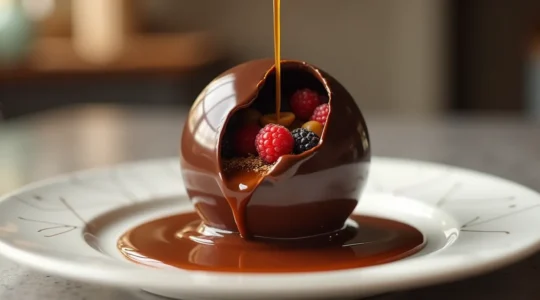
How to Create a Melting Chocolate Sphere Without It Breaking Prematurely?
In summary: Treat the sphere not as a recipe, but as an engineering project focused on structural integrity and thermal dynamics. The shell’s thickness (2.5-3mm) is your primary defense against premature cracking and resistance to the melt. Precisely control sauce…
Read more
How to Perfectly Time Molten Cakes While Your Guests Are Still at the Table
The anxiety of serving a last-minute dessert like molten chocolate cake stems from treating it as a cooking task, not a performance. The solution isn’t a simpler recipe; it’s adopting a professional’s mindset. By orchestrating a ‘service choreography’—a detailed timeline…
Read more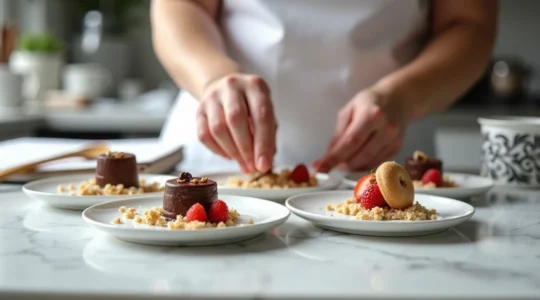
From Sketch to Plate: A Creative Director’s Guide to Prototyping a New Dessert
The greatest barrier to creating an exceptional dessert isn’t a lack of ideas—it’s the inability to commit to one and refine it ruthlessly. Success starts with identifying a single “hero flavor” and building complementary, not competing, elements around it. True…
Read more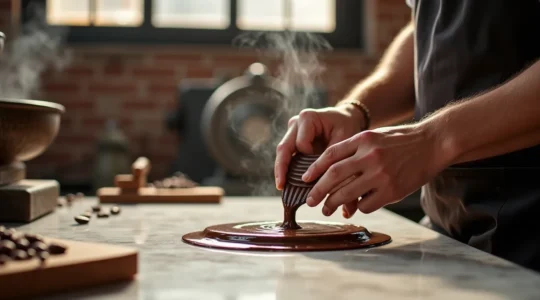
How to Find Authentic Bean-to-Bar Workshops, Not Just Tourist Traps
In summary: True bean-to-bar quality justifies a higher price, driven by ethical sourcing, craftsmanship, and rising raw material costs. Identifying an authentic workshop means looking for “provenance literacy”—specific farm origins and bean varieties, not just country names. Tasting chocolate is…
Read more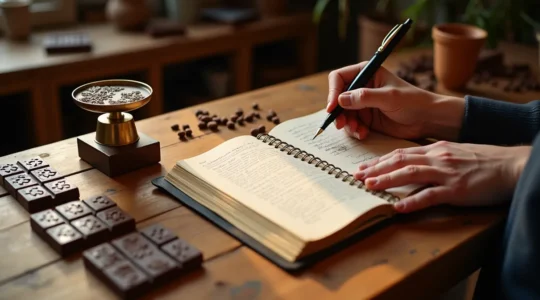
How to Write Chocolate Descriptions That Increase Sales
Boosting chocolate sales isn’t about listing more flavor notes; it’s about architecting a complete sensory experience for the customer. External cues like sound and scent measurably alter the perception of taste and value. Packaging choices (minimalist vs. illustrated) dictate the…
Read more
Single Origin vs. Blend: Which Bean Profile Fits Your Palate Best?
The true difference between single origin and blend chocolate isn’t just geography; it’s a story of distinct choices from the farm to the final bar. The unique flavor of an origin, like the fruitiness of Madagascan beans, is born from…
Read more